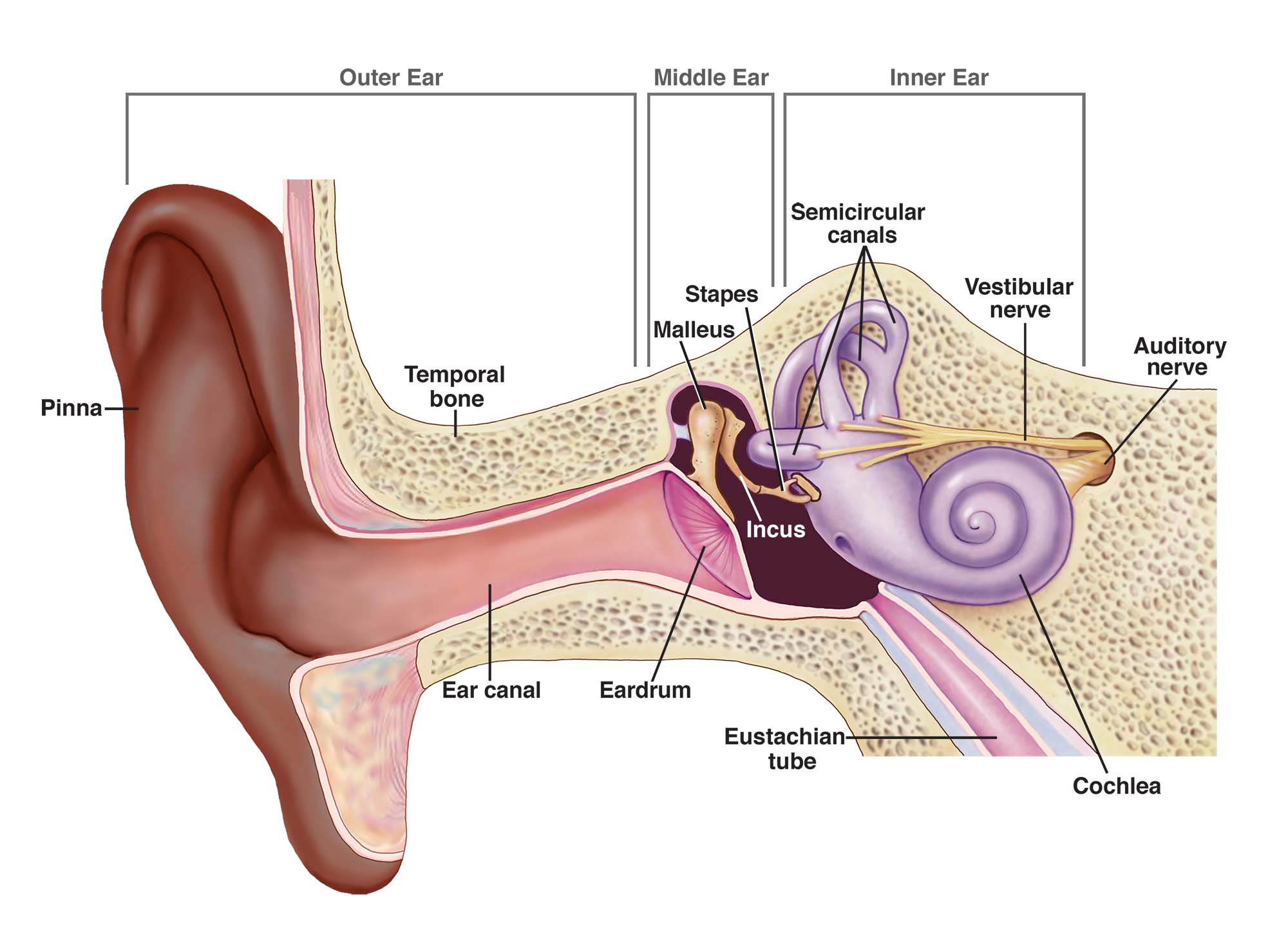
We use video otoscopy to inspect the ear canal and, where visible, the eardrum. The camera provides a magnified view to help assess wax and ear health. We explain what we find and the options for removal.
Your history matters: tell us about ear surgery, perforations, grommets, infections, dizziness, medicines and any previous difficulties with wax removal.
Safety and comfort guide our care.
Our approach follows evidence-informed ear-care practice: assess suitability, explain the procedure and risks, obtain consent, use appropriate equipment and visualisation, and check your comfort throughout. We aim for minimal discomfort and pause or stop if you experience pain, dizziness or distress.
Methods of ear toilet
Three methods. Individual care.
Ear toilet means cleaning the ear canal. One method, or a combination, may be used according to the wax, ear anatomy, ear health and your comfort.
Curettage · careful manual removal
A small curette, loop or other suitable instrument gently lifts or draws wax out under direct visualisation. This can help with accessible wax or pieces remaining after another method. Careful, controlled movements help protect the delicate canal skin.
Irrigation · controlled rinsing
When suitable, a specialised irrigator delivers a controlled flow of warm water or saline to loosen and flush wax out. Wax softening may be recommended first. Temperature and flow are controlled to reduce discomfort.
Irrigation is not suitable for everyone. A perforated eardrum, grommets, previous ear surgery or active infection may rule it out. We assess these factors before proceeding and discuss alternatives when needed.
Microsuction · removal using suction
A fine suction tip removes wax under magnified visualisation, without flushing the ear with water. Instruments or wax softening may also be needed. You may hear suction noise or feel a pulling sensation; tell us if it becomes uncomfortable.
The absence of irrigation does not mean microsuction suits every ear. Your clinician assesses whether it is appropriate for you.
Care at every stage.
1. Assess & explain
Review your history, inspect your ears, discuss the method and gain your consent.
2. Remove carefully
Use appropriate visualisation, infection-control precautions and suitable instruments, with comfort checks and breaks as needed.
3. Recheck & advise
Re-examine the ear after removal, explain the findings and discuss aftercare or referral.
Reassurance, with realistic expectations.
These are established clinical methods and are generally well tolerated when appropriately selected and performed. No procedure is completely risk-free. Possible effects include temporary discomfort, dizziness, tinnitus, canal irritation or bleeding; infection or eardrum injury can also occur.
We do not force removal when it is unsafe or uncomfortable. Softening, another visit or medical/ENT review may be the better next step.
Before using ear drops, ask our team what is suitable for your ears, particularly if you have a perforation, grommets or previous surgery.
Watch a public demonstration by audiologist Mr Neel Raithatha (The Wax Whisperer). It shows endoscopic ear microsuction performed by another provider, rather than an Australian Audiology appointment.
Contains close-up clinical footage of wax removal. For general education; do not attempt instrument-based ear cleaning yourself. The method and experience at your appointment may differ.
Opens YouTube in a new tab. Third-party content and YouTube’s privacy and advertising policies apply. Video: “275 – Ear Wax Removal Video demonstrating Endoscopic Ear Microsuction E suction”.
Clear earwax-removal pricing
$150
One ear or both ears—the same standard fee.
The standard wax-removal fee is $150 whether one ear or both ears require treatment. Suitability and the method of removal are assessed before treatment.
Complimentary wax removal: Australian Audiology offers complimentary wax removal to eligible clients when they are due for and attending a hearing assessment or review appointment under HSP item 600, 800 or 940. Clients must have selected Australian Audiology as their preferred hearing service provider. If a client is not due for one of these services and requests wax removal separately, the fee is $150 total for one or both ears, including for pensioner clients.