Different earplugs solve different problems. We discuss your needs, examine the ears and assess suitability before taking impressions for custom-made plugs. We explain insertion, removal, cleaning and fit checks when your plugs are supplied.
The images show example designs for swimming, sleep, music and workplace noise plugs; colours, designs, filters and availability are confirmed at your consultation.
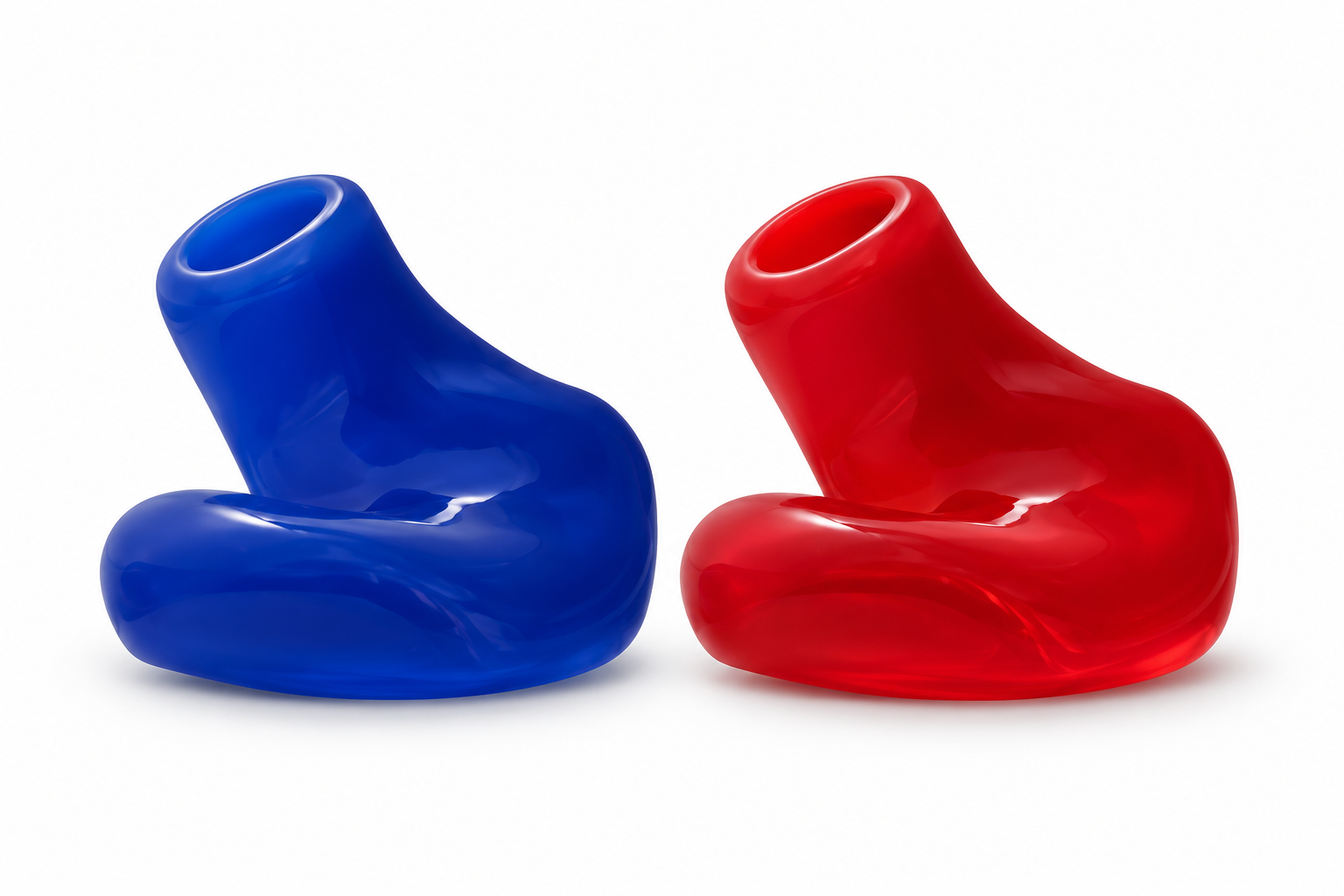
Swimming plugs
Custom plugs designed to help reduce water entering the ear during swimming. They do not guarantee a waterproof seal. Ask your GP or ENT about swimming with grommets, a perforation or recent surgery. These are not diving plugs or certified noise protectors.
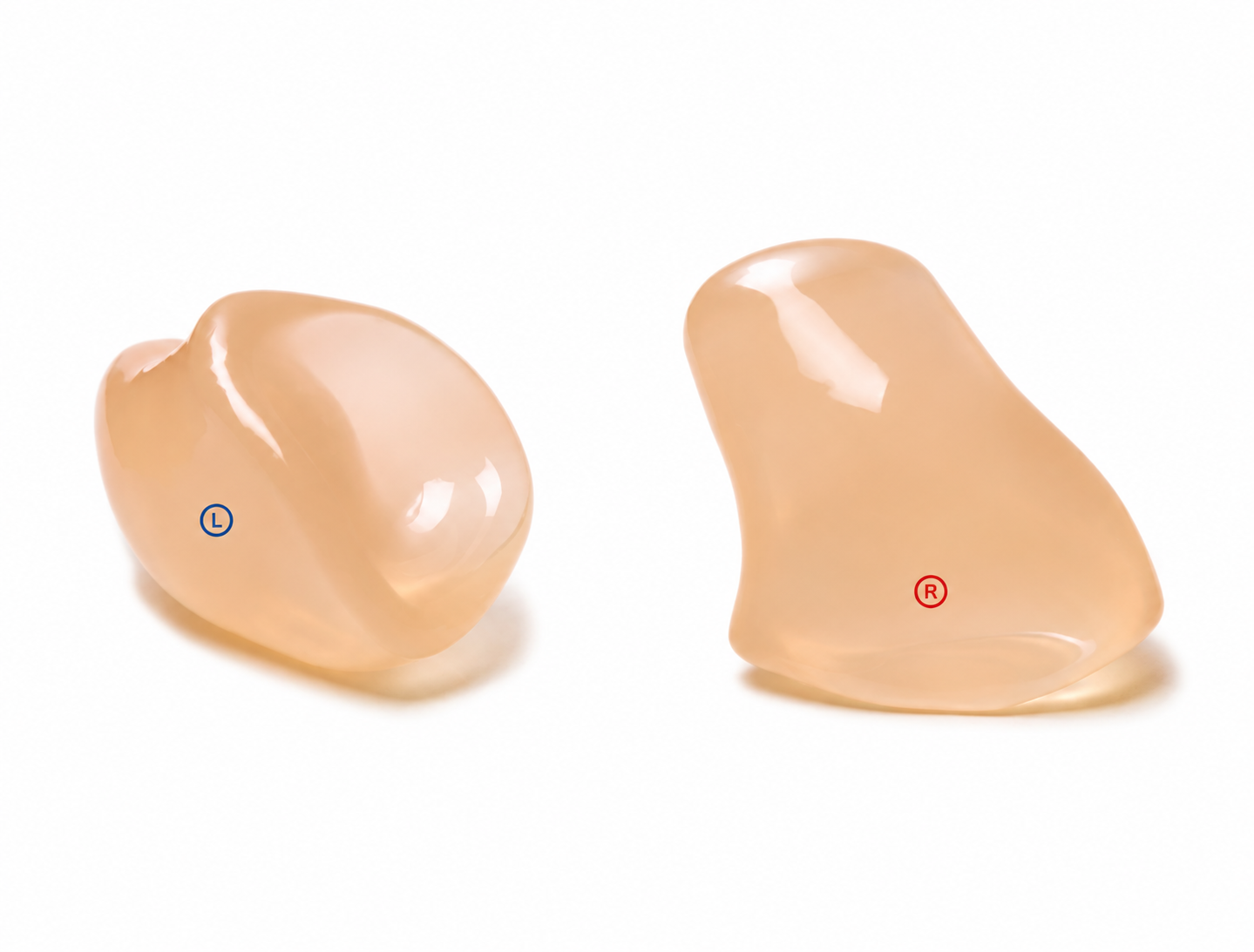
Sleep plugs
A low-profile design can help reduce disturbing sound at night. Comfort varies, especially for side sleepers. Consider whether alarms, smoke detectors or a child calling would remain audible; discuss alternative alerts where needed.
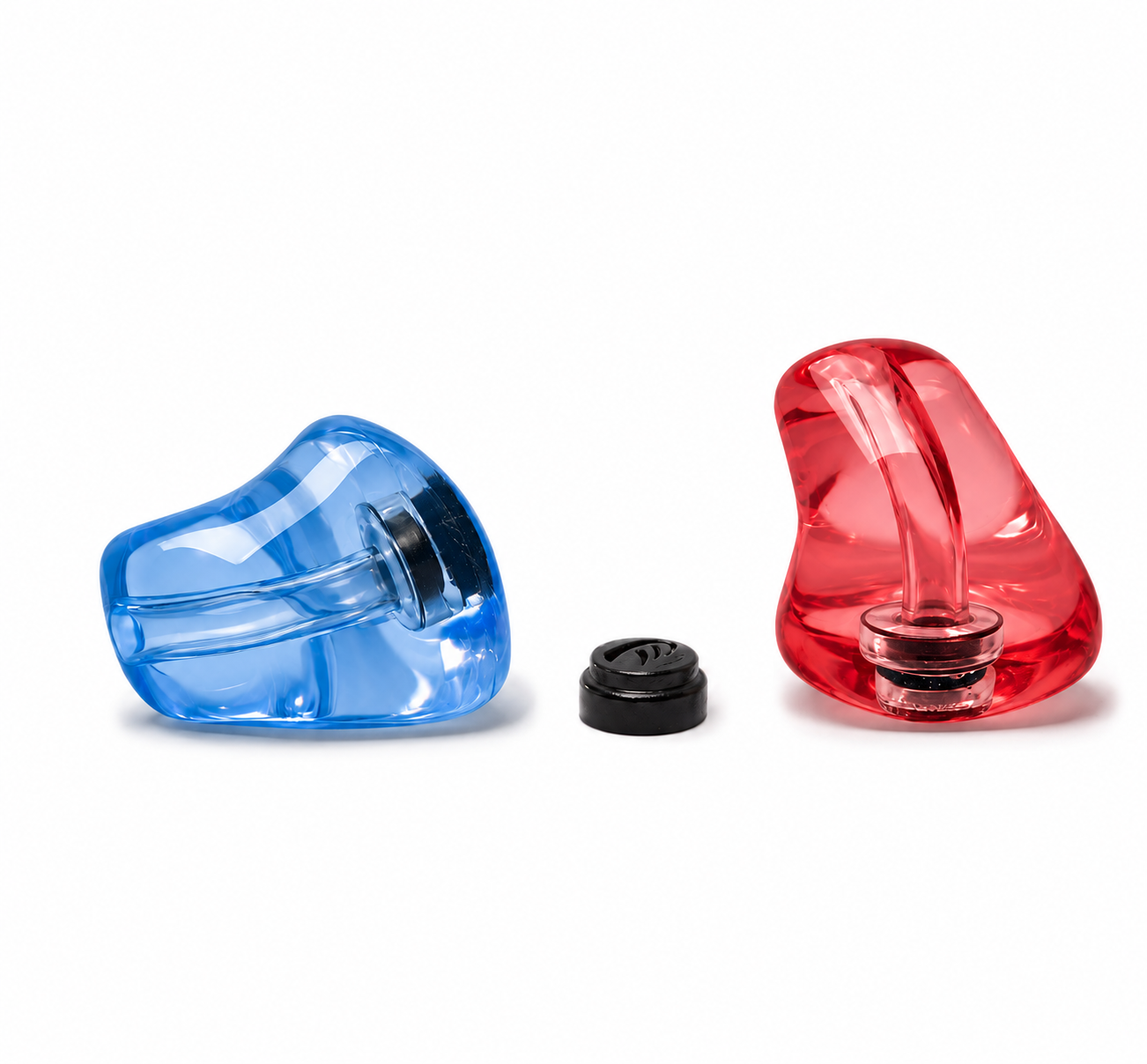
Filtered music & everyday plugs
Acoustic filters can reduce sound while aiming to preserve its balance. Options depend on the product and filter. Tell us whether you need protection for music, events or another activity so the attenuation can be matched to the situation.
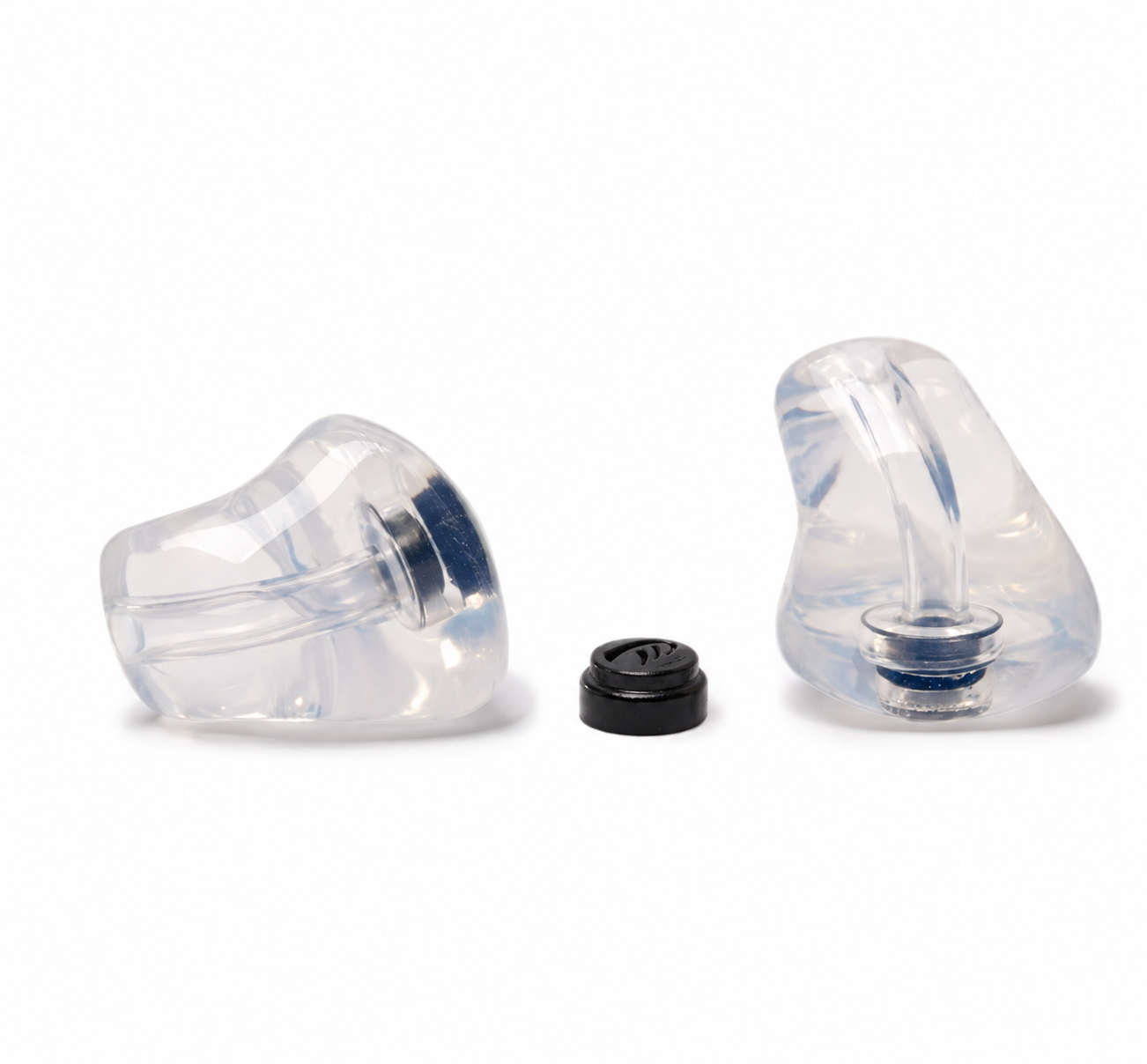
Workplace noise plugs
For miners, building trades and road crews, protection must suit measured noise, communications, warning signals and other PPE. We discuss the relevant product data and fitting requirements with you or your workplace safety adviser.
How much sound do they reduce?
There is no single reduction that applies to every plug or wearer. A filter’s nominal rating, laboratory attenuation and the protection achieved in an individual ear are different measures. Protection also varies across sound frequencies and with fit.
Available filter options and their documented ratings are confirmed before supply. The rating applies to the selected product and filter, rather than every earplug or mesh filter. For occupational use, request the product’s AS/NZS 1270 test data, SLC80 rating and class, and follow your employer’s noise assessment and fit-testing requirements. Excessive attenuation can make instructions and warning sounds harder to hear.
Blue for left. Red for right.
Left/right markings or contrasting colours can make a custom pair easier to identify and insert correctly. Blue commonly identifies the left ear and red the right; L/R markings are useful as well. Tell us your preferred identification when ordering. A colour code does not indicate a plug’s protection level.
Fit, care and replacement
- Use clean hands, insert as instructed and check the fit each time.
- Clean according to the manufacturer’s directions. Inspect for damage, hardening or a changed fit and ask about replacement when needed.
- Stop using a plug that causes pain, discharge or irritation and seek advice.
- Swimming, sleeping and music plugs are not interchangeable with certified workplace hearing protectors.
Further reading: Safe Work Australia: managing noise and hearing protection ↗